
What Is a Mortise Lock and Why Does It Fail Differently Than Other Locks?
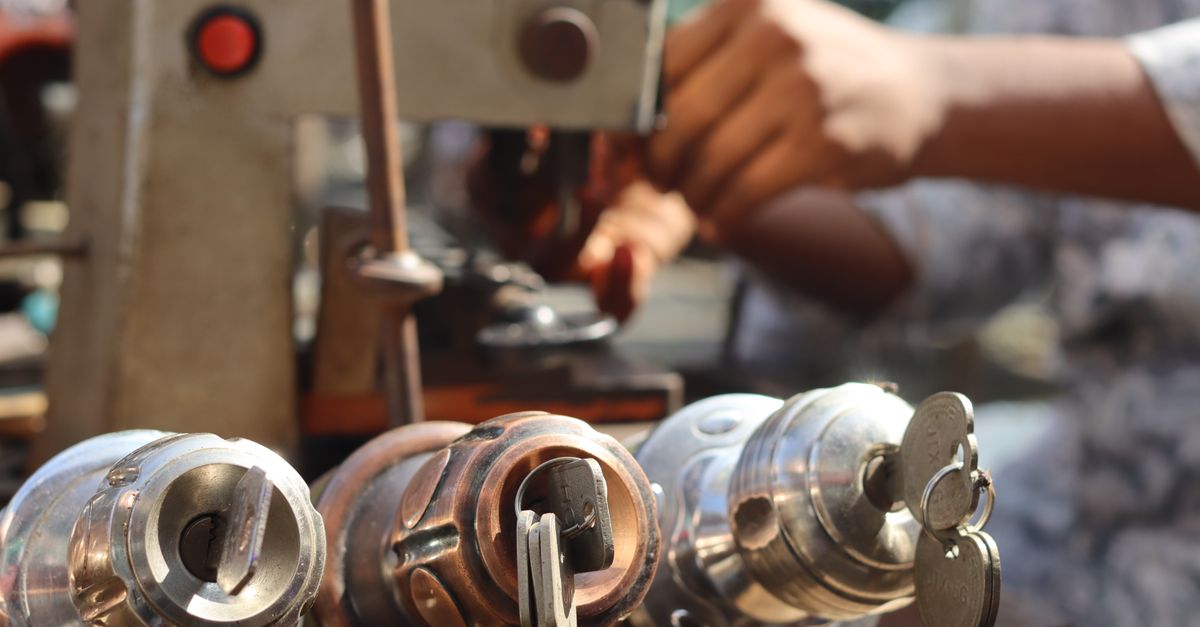
A mortise lock is fundamentally different from a cylindrical bored lock (the kind you see on most interior residential doors). Instead of a single hole bored through the door face, the installer routes a large rectangular cavity into the door edge and drops in the entire lock body — springs, levers, bolt mechanism, and all. The mortise lock cylinder (the keyed plug) threads into the body from the face of the door and drives an internal cam. That design packs multiple functions — deadbolt, latch bolt, privacy turn, and sometimes an indicator — into one housing, which is why a mortise lock set exterior door application can offer near-commercial levels of security on a residential front door. The trade-off is complexity: more components means more potential failure points. In the Florida climate, the combination of humidity, temperature swings between air-conditioned interiors and Lake Mary's outdoor heat, and salt-laden air drifting in from the coast creates the perfect environment for internal corrosion, spring fatigue, and cam wear. Add years of use in a busy commercial building or a rental property, and you get a lock body that starts sticking mid-cycle — sometimes leaving the bolt partially extended, sometimes refusing to retract at all.
Common failure modes we diagnose on site include worn or broken lever cams that no longer drive the latch bolt, fatigued or snapped internal springs, a seized case body caused by mineral buildup inside the mechanism, a stripped or cracked mortise lock cylinder that spins freely without engaging the cam, and misalignment between the lock body and the strike plate caused by door settling or hinge sag. In multi-tenant commercial buildings around the Lake Mary Tech Center district, we also frequently see mortise lock bodies that have been forced repeatedly — either by tenants who lost keys or by delivery personnel — leaving the case cracked or the bolt face bent. Each of these failure modes has a specific fix, which is why accurate diagnosis before any work begins is essential.