Key Fob and Transponder Programming — What the Technology Actually Does
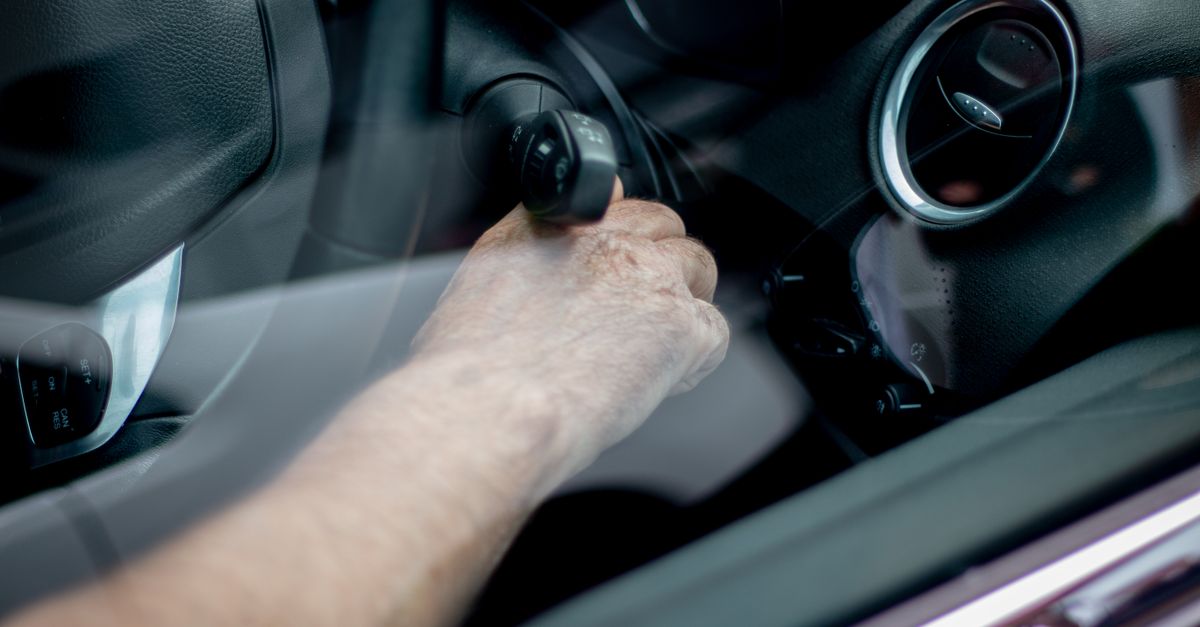
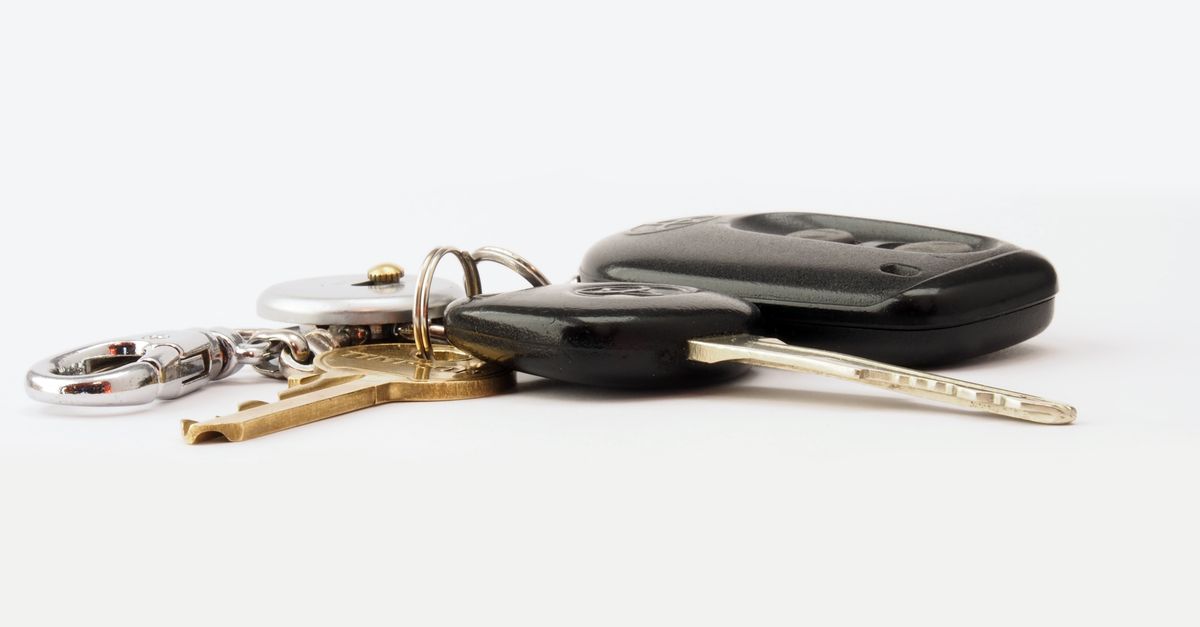
Every chip key contains a tiny RFID transponder sealed inside the plastic head. When you insert the key and turn the ignition, the car's immobilizer antenna ring sends a low-frequency signal that wakes the chip. The chip responds with a cryptographic code; if the engine control module recognizes it, the fuel system is authorized and the car starts. If the code is missing, wrong, or unregistered, the immobilizer cuts fuel delivery and the engine cranks but never fires. Smart fobs add a second layer: they use a rolling-code radio signal so that each button press generates a unique encrypted packet, making replay attacks essentially useless. Programming means writing your specific vehicle's accepted codes into a new key or fob so it becomes a recognized, trusted device.
There are several scenarios that bring Lake Mary drivers to us: a key that was never programmed after being cut, a replacement fob bought online that arrived as a blank shell, a lost key situation where all existing keys must be erased from the vehicle's memory for security reasons, and battery or water damage that corrupts a previously working fob. Each scenario has a different workflow. Erasing and re-registering all keys — sometimes called an 'all-keys-lost' procedure — is the most involved and requires accessing the vehicle's OBD-II port with specialized diagnostic equipment. Our technicians carry the tools and software to handle all of these on-site, right where you are parked.