Ford Car Key Replacement: What Your Key Actually Does (Terminology Explained)
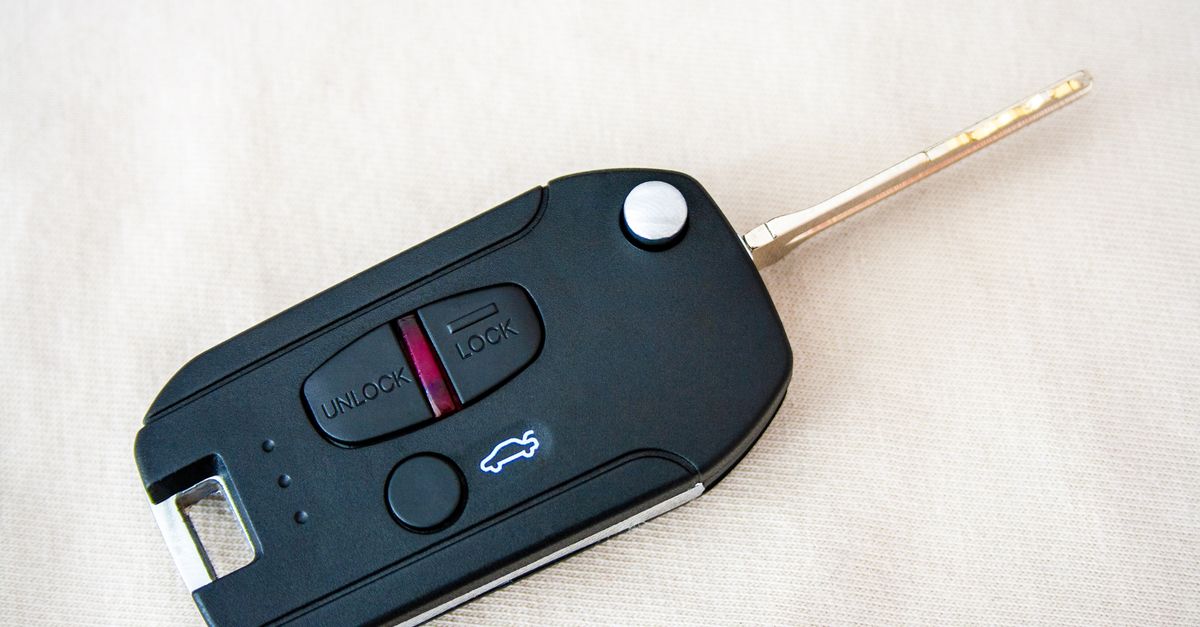
Ford keys stopped being simple metal blanks a long time ago. A basic cut key from the early 1990s only operated the physical lock cylinder. A transponder key — introduced on most Ford models in the late 1990s — has a small microchip embedded in the head. When you insert it, the vehicle's immobilizer system reads the chip's unique code; if the code is absent or wrong, the engine will not start even if the key turns smoothly in the ignition. More recent Ford models use a remote head key (a transponder key with integrated fob buttons), a proximity smart key (the kind you keep in your pocket for push-button start), or in some commercial variants like the Ford Transit, a tibbe-style key cut with a specialist rotary machine. Understanding which type your Ford uses matters because each requires different equipment and programming steps — and our technicians arrive knowing exactly what your year, make, and trim demands.
Ford's Passive Anti-Theft System, known as PATS, communicates with the transponder via a ring antenna around the ignition barrel. If a new key is not programmed to match that vehicle's PATS module, the security light stays on and the starter circuit remains disabled. Programming requires dedicated automotive key programming software with manufacturer-level access — not a generic OBD dongle — and our mobile units carry that equipment as standard. This is part of the reason Ford car key replacement done on-site by a skilled mobile locksmith is often faster than scheduling a dealer service appointment, without any sacrifice in quality or security integrity.