Car Key Replacement by Vehicle Brand — Why Brand Matters
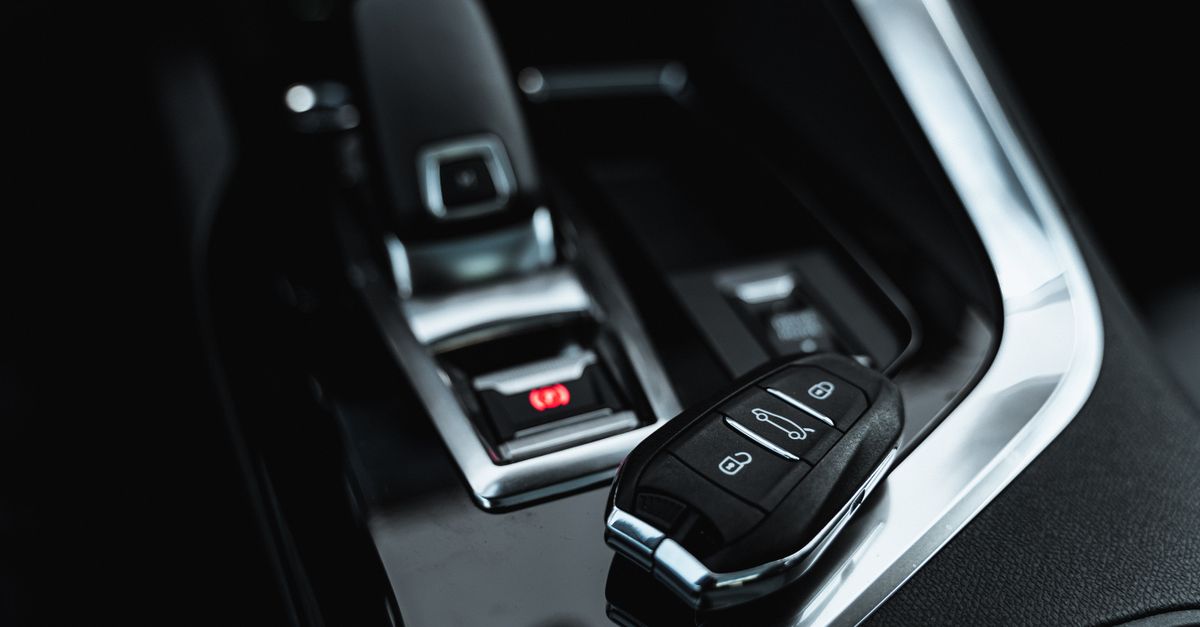
Not all car keys are created equal, and the gap between replacing a key for a basic domestic sedan versus a late-model European luxury vehicle is significant. A Toyota Camry may use a 4D or 8A chip that requires roadside programming equipment to sync with the immobilizer, while a BMW or Mercedes-Benz relies on encrypted rolling-code smart keys that demand manufacturer-level diagnostic tools and precise VIN verification. Ford F-Series trucks, one of the most common vehicles in the Lake Mary area, shifted to a proximity keyless system on newer trims that differs entirely from the older 80-bit transponder keys on earlier models. Our qualified technicians carry the diagnostic hardware and key-cutting machinery to serve the full spectrum — domestic brands like Chevrolet, GMC, Ford, Chrysler, and Jeep, as well as imports including Honda, Hyundai, Kia, Subaru, Nissan, Mazda, and high-security lines from Lexus, Acura, Audi, Volkswagen, and Cadillac.
The process for every brand starts with ownership verification — we confirm you are the registered owner before a single cut is made. From there, we assess the existing locks and ignition, cut the new blade to the vehicle's specific code, and program the transponder or smart-key module to pair with your car's immobilizer. We work damage-free where possible, meaning no drilling, no forced entry, and no harm to your steering column or door lock cylinder. If your original key is available even in broken form, that can sometimes accelerate the cut-and-code process; if no key exists at all, our team generates the code from the VIN, keeping the procedure fully legitimate and traceable.