Lake Locksmiths Service Team
Local locksmith team
Sep 10, 2026 14 min read
If you live anywhere near Lake Mary, Heathrow, or along the 17-92 corridor, you already know what Central Florida summer does to a house — wood swells, paint bubbles, and doors that closed perfectly in February suddenly feel like they're fighting back in July. Your mortise lock is right in the middle of that battle. Unlike the simple cylindrical knob locks on most interior doors, a mortise lock set contains an entire mechanism — latch, deadbolt, cylinder, cam, and case — all housed inside a pocket cut into the door edge. When that door absorbs moisture and grows even a millimeter or two, every one of those moving parts can bind, drag, or refuse to turn. The result is a lock that feels broken when it's actually just reacting to its environment.
This article explains exactly why that happens in Florida's climate, how to tell whether you're dealing with humidity damage versus a worn mechanism, and which fixes actually hold up through a full wet season. Whether your entry door carries a Baldwin mortise lock set, a Corbin Russwin mortise lock on a commercial unit, or a builder-grade mortise lock cylinder that came with the house, the principles are the same — and the solutions are more straightforward than most homeowners expect.
## What Is a Mortise Lock and Why Does Florida Make It Work Harder?
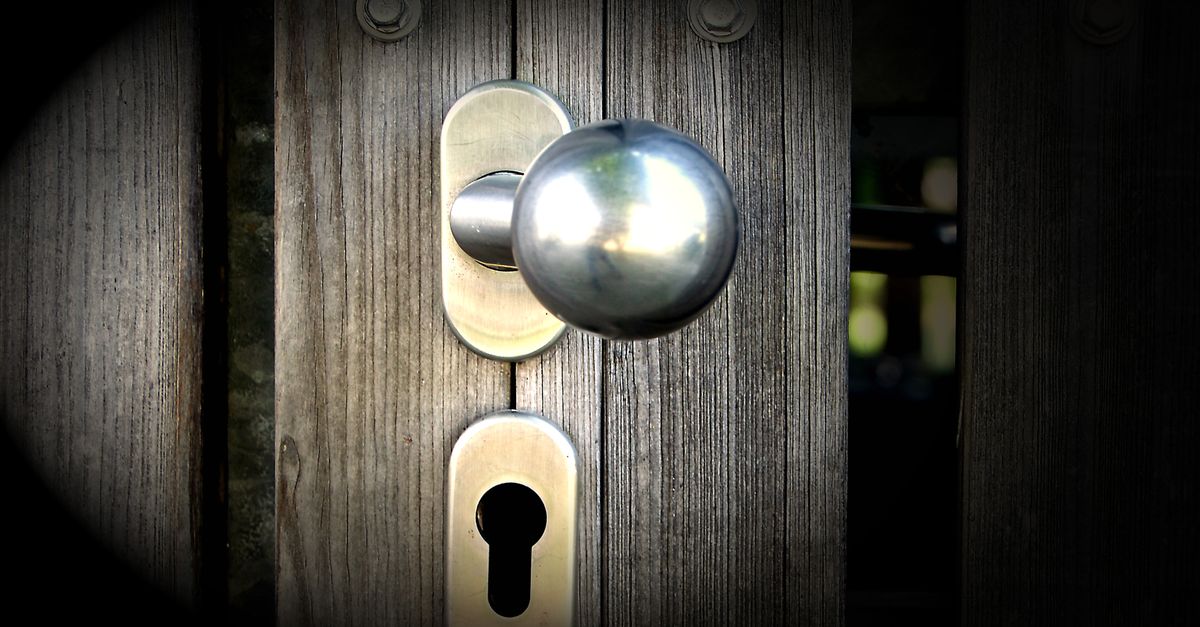
A mortise lock is a lock whose entire operating mechanism lives inside a rectangular cavity — the mortise — cut into the door's edge. That's the key difference from a bored cylindrical lock: the mechanism isn't just a cylinder spinning inside a hole; it's a case full of levers, springs, cams, and a latch bolt, all packed tightly into the door itself. Entry doors on older Florida homes, most commercial storefronts along Rinehart Road, and many upscale residential doors on renovated properties around Markham Woods Road use this format because of its security depth and smooth single-handle operation. A mortise lock set exterior door application is especially vulnerable to humidity because the door edge — where the case sits — is the least-protected grain of the wood and the first place moisture penetrates.
Florida averages roughly 54 inches of rain per year, with humidity regularly sitting above 80 percent from May through September. A solid wood or wood-core door can absorb enough moisture to expand 1 to 3 millimeters across its width and height. That sounds trivial until you realize the mortise case has manufacturing tolerances tighter than that. The latch bolt starts dragging across the strike plate. The cylinder becomes stiff to turn because the case walls are squeezing the internal cam. The deadbolt throws only halfway before binding on the frame. None of that means the lock is broken in a mechanical sense — it means the door has grown around a mechanism designed to live in a precisely sized pocket.
## Five Real Signs Your Mortise Lock Is Humidity-Damaged (Not Just Old)
Knowing which problem you're actually dealing with saves you from replacing an expensive mortise lock set when a far simpler fix would do. Here are the patterns our team sees most often on service calls across the Lake Mary area. First: seasonal timing. If the lock stuck in August but worked in March, humidity is almost certainly the culprit — mechanical wear doesn't follow the weather calendar. Second: the door itself is stiff to open even before you turn the key, which means the door has swollen in the frame, not that the mechanism has failed. Third: the latch bolt retracts but won't spring back out, a sign that moisture has reached the spring inside the case and begun to corrode it. Fourth: the mortise lock cylinder turns harder than usual but the lock still works — internal cam friction from a case that has shifted slightly inside a swollen door. Fifth: visible rust streaking or a white mineral crust around the faceplate screws, which means water is wicking in from outside and sitting against the metal.
Two signs that point away from humidity and toward genuine mechanical failure: the cylinder spins freely but nothing moves inside (broken cam or tailpiece), and the lock worked fine all through the rainy season but suddenly failed on a dry winter morning (spring fatigue or internal wear, not moisture). Understanding this distinction matters because a humidity fix — door planing, weatherstripping, lubrication, hardware re-alignment — costs far less and disrupts your day far less than a full mortise lock replacement. If you're unsure which situation you're in, calling a professional locksmith for a diagnostic visit is the fastest way to get a straight answer without guessing.
## Fixes That Actually Last in Central Florida's Climate
The single most common mistake homeowners make is grabbing a can of WD-40. It displaces moisture in the short term but leaves a residue that attracts dust, gums up the internal mechanism, and often makes the problem worse within a few weeks. For a mortise lock cylinder and the internal case mechanism, a dry graphite lubricant or a dedicated lock-grade silicone spray does the job without the residue problem. Apply it at the cylinder keyway, work the key several times, and then apply a thin line along the latch bolt and deadbolt shafts. That handles the lubrication side — but it does nothing about why the lock needed extra lubrication in the first place.
The structural fix is addressing the door itself. A door that has swollen enough to stress a mortise lock needs to be planed down at the binding edge — typically the hinge side or the top edge — until it swings freely with a consistent 1/8-inch gap around the frame. This is a skilled job; remove too much material and the door becomes drafty and insecure; remove too little and you're back for the same repair after the next tropical system. After planing, seal the freshly cut wood immediately with a quality exterior primer and at least two coats of paint or finish. Bare wood in a Florida summer absorbs moisture within hours. On the hardware side, upgrade your weatherstripping to a compression seal rated for Florida climates, and make sure the door threshold is properly adjusted so rain can't pool at the base. If your door is already a fiberglass or steel unit — common in newer builds around the Timacuan and Wingfield area — the swelling issue is largely eliminated, but the mortise lock mechanism can still corrode from condensation cycling, so the lubrication and inspection schedule still applies.
For homeowners managing a smart mortise lock — an increasingly popular upgrade that adds keypad, app, or Z-Wave control to a traditional mortise body — humidity creates an additional layer of risk: electronics and moisture are poor partners. Most quality smart mortise lock units carry an IP65 rating or better, but the rating assumes the door gap and weatherstripping are doing their job. A misaligned door that lets humid air stream past the faceplate can corrode circuit boards and battery contacts even on a well-rated unit. If your smart mortise lock is throwing intermittent errors or failing to communicate with your hub during rainy months specifically, door alignment and weatherstripping should be the first things checked before assuming the electronics have failed.
## When to Call a Professional Locksmith — and What to Expect
There are a few points where a DIY approach stops being practical and starts being risky. If the mortise lock case itself has shifted inside the door — you can feel the faceplate sitting proud of the door edge or rocking slightly when you press it — the pocket has deformed and the fix requires removing the lock, possibly re-cutting or reinforcing the mortise cavity, and re-fitting the hardware. That's a job for a skilled locksmith with the right chisels, jigs, and experience fitting mortise hardware accurately. Attempting it without those tools usually means a loose-fitting lock that compromises security rather than restoring it.
Similarly, if a high-quality Baldwin mortise lock or Corbin Russwin mortise lock has developed internal mechanism damage from prolonged moisture exposure, sourcing and fitting the correct replacement parts requires knowing exactly which series and trim the lock belongs to — both brands use proprietary internal geometry that doesn't cross-substitute. A professional locksmith who works regularly with these brands can identify the correct parts, order them if needed, and fit them so the lock functions as the manufacturer intended. If you're in the Lake Mary area and your front door is giving you trouble — or if you simply want a professional inspection before the wet season peaks — call Lake Locksmiths at (407) 904-7646 and we'll come to you. We're a 24/7 mobile locksmith operation, so there's no appointment window to schedule around.
On pricing: the final cost of any mortise lock service depends on several factors — the specific lock model and brand, whether parts need to be sourced, the time of day you call, travel distance to your address, and the scope of work involved (lubrication and adjustment versus full mechanism replacement). We confirm an exact up-front price before any work begins, so there are no surprises on the invoice.
## Keeping Your Mortise Lock Healthy Year-Round: A Practical Maintenance Schedule
Central Florida effectively has two seasons from a door-hardware standpoint: the wet season (roughly June through October) and the dry season (November through May). A simple twice-yearly inspection aligned to those transitions will catch most problems before they become emergency locksmith calls. At the start of wet season — May is ideal — do the following: lubricate the cylinder and all moving parts of the mortise mechanism with graphite or silicone spray, inspect the weatherstripping around the full door perimeter and replace any sections that have compressed flat, check that the door closes without lifting or dropping at the latch, and examine the faceplate screws for any rust or looseness. At the start of dry season — late October — repeat the lubrication, check for any paint or finish cracking around the door edge that would expose bare wood to the next wet cycle, and test the full throw of both latch and deadbolt to confirm smooth operation.
For properties along the St. Johns River basin or near Lake Monroe — where overnight humidity frequently stays above 90 percent even in winter — add a third check in February. Doors on water-facing elevations see more moisture cycling than comparable doors on the same property's street-facing side, and mortise hardware in those locations ages faster. If you're managing a commercial property on Lake Mary Boulevard or a multi-unit along Country Club Road and need a scheduled maintenance arrangement for your door knob lock and mortise hardware portfolio, our commercial locksmith services cover exactly that kind of ongoing account work. And if something goes wrong between scheduled visits — at 2 a.m. on a Thursday, or on a Sunday afternoon when the rain hasn't let up all day — call (407) 904-7646 and a trained technician will be on the way.
## Lake Mary, Locksmith Specialisations, and Getting On-Call Service at Your Doorstep
Lake Mary is a genuinely pleasant place to own a home — the median household income, the school ratings, and the walkability of downtown Lake Mary Boulevard make it consistently popular with families relocating from the northeast and west coast. The heat and humidity are the honest trade-off, and they affect your home in ways that most buyers don't fully appreciate until the first summer. Door hardware is one of the less glamorous examples, but it's also one of the most security-critical. A mortise lock that jams at the wrong moment isn't just an inconvenience; on an exterior door it can leave you locked in or locked out, sometimes both at the same time if the mechanism seizes mid-throw.
Lake Locksmiths specialises in the full range of residential and commercial locksmith work that property owners in this area actually need. Here's a specific look at what's in store for you when you call us: residential rekeying, mortise lock installation and repair, mortise lock cylinder replacement, smart lock installation and troubleshooting, deadbolt installation, door knob lock repair and replacement, master key system design, lockout response for homes and businesses, emergency locksmith response around the clock, key duplication, high-security lock upgrades, lock grade assessments for insurance or rental compliance, commercial locksmith services for storefronts and office suites, access control system installation, keypad and electronic lock service, padlock and chain replacement, mailbox lock repair, garage door lock servicing, safe opening and combination changes, car lockout service, automotive key programming and replacement, transponder key cutting, broken key extraction from cylinders, door frame reinforcement, door alignment and strike plate adjustment, window lock inspection and repair, and scheduled maintenance agreements for commercial accounts. Our team is mobile and fully equipped, which means we come to your address — whether that's a home on Roanoke Road, a business unit off Rinehart Road, or a parking lot somewhere along I-4 — without you needing to transport a disabled door or a stuck lock to a shop. Follow us on social media for seasonal maintenance reminders and local tips specific to Central Florida conditions. We answer every call at (407) 904-7646, twenty-four hours a day, seven days a week, including holidays.
## A Quick Terminology Guide for Mortise Hardware
Conversations with a locksmith go faster when you know the basic vocabulary. The mortise case is the rectangular metal box that houses the entire mechanism — latch bolt, deadbolt, springs, and cam. The faceplate (or facepiece) is the narrow metal plate visible on the door edge when the door is closed. The mortise lock cylinder is the plug you insert your key into — it's a separate component that fits into the case and can often be replaced independently without removing the whole lock. The tailpiece is the bar connecting the cylinder to the case's internal cam; it's a common failure point on older locks and on locks that have been forced. The strike plate is the metal plate mortised into the door frame that receives the latch bolt and deadbolt. The escutcheon is the decorative plate on the face of the door that surrounds the cylinder and handle — on Baldwin and Corbin Russwin hardware it's often the most visible expression of the lock's finish and style. Understanding these terms helps you describe a problem accurately when you call, which means our technician arrives prepared with the most likely parts already on the truck.
Frequently asked questions
Is Lake Mary, Florida a good place to live?+
Lake Mary consistently ranks as one of the better places to live in Seminole County. The city has a walkable downtown corridor along Lake Mary Boulevard, strong public schools, lower crime rates than the broader Orlando metro average, and easy access to I-4 and the 417. The honest drawbacks are the same ones that apply to all of Central Florida: summer heat and humidity are intense, and they affect everything from your energy bill to your door hardware. Homeowners who stay on top of seasonal maintenance — including their locks and door frames — tend to enjoy the area without many of those practical headaches.
Do I need a license to be a locksmith in Florida?+
Florida does not currently require a statewide license specifically for locksmith work the way some other states do, but that doesn't mean all providers are equally qualified or insured. When you hire a locksmith, the more important questions are whether the technician is trained and experienced with the specific hardware you need serviced, whether the company is insured, and whether they provide a confirmed price before starting work. At Lake Locksmiths, our technicians are trained professionals and we are insured — if you have questions about our qualifications, we're happy to answer them directly when you call (407) 904-7646.
How much does an emergency locksmith cost near me?+
There's no single honest answer to that question because the final price depends on several real variables: what type of lock or vehicle is involved, what time of day you're calling, how far the technician needs to travel to reach you, and what parts — if any — are required to complete the job. A residential door lockout during business hours costs differently than a mortise lock cylinder replacement at midnight. What we can tell you is that Lake Locksmiths confirms an exact price with you before any work begins — no surprise charges after the fact. Call (407) 904-7646 and we'll give you a clear, specific quote based on your actual situation.
What is a locksmith call-out fee?+
A call-out fee — sometimes called a service fee or trip charge — is the base charge a locksmith applies to come to your location, separate from whatever labor or parts the job itself requires. It typically reflects the technician's travel time and fuel, and it varies based on distance and time of day. Not every locksmith structures pricing the same way; some roll the travel cost into a flat job price, others itemise it separately. At Lake Locksmiths, we walk you through the complete price before we start — so whether there's a separate call-out component or a single all-in quote, you know exactly what you're paying before we pick up a tool.